
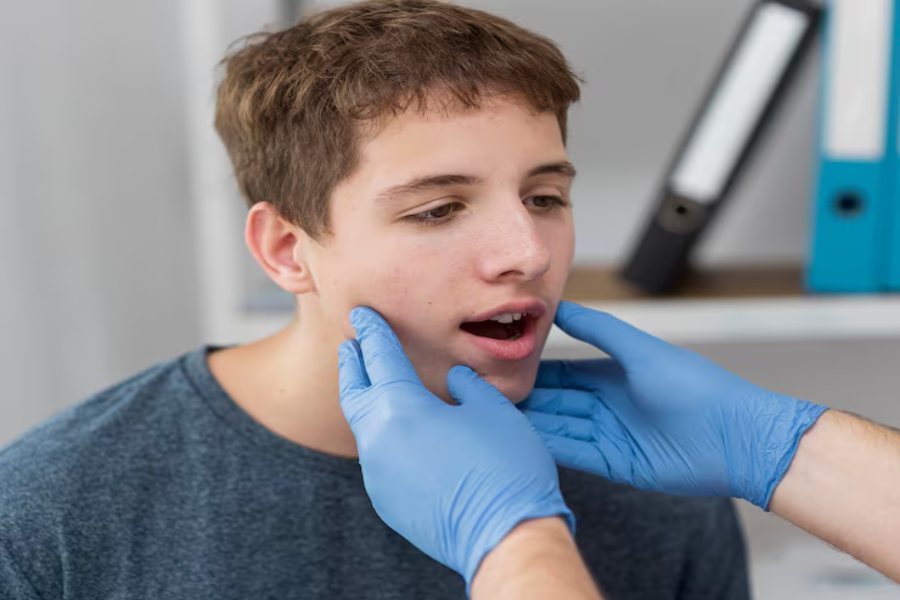
You might be holding off on braces because your teen “isn’t ready,” or maybe you’re unsure if it’s truly necessary. Between school, sports, and all the usual teenage ups and downs, orthodontic treatment can feel like just another thing to manage — especially when it’s not urgent. And let’s be honest, the cost and time commitment make it easy to put off.
But here’s the catch: waiting doesn’t always make things easier. In many cases, delaying orthodontic treatment leads to more complex problems down the line — and that can mean longer treatment, higher costs, and fewer options. Even if your teen’s teeth look “fine for now,” there may be underlying issues that are better addressed while their jaw is still growing.
If you’re on the fence, it helps to understand what postponing really means — not just for their smile, but for their future comfort, confidence, and health.
What teen orthodontics actually aims to fix
Teenage years area prime time for orthodontic care. It’s when many issues become visible, but more importantly, it’s when the jaw and facial bones are still developing. That window gives orthodontists a chance to guide growth instead of just reacting to it.
Most commonly, treatment at this stage addresses crowding, gaps, overbites, underbites, and crossbites. But it’s not only about aesthetics. These issues can affect speech, chewing, breathing, and long-term dental health. Some teens also grind their teeth or experience jaw pain due to misalignment — something that can be corrected far more easily before the bones fully mature.
When treatment begins during adolescence, options are generally broader, and results are often achieved faster. Waiting until the bones stop growing can mean fewer options and more invasive treatment plans.
How delays can impact outcomes and costs
The most apparent consequence of waiting is that problems usually don’t fix themselves — they get worse. Crowded teeth continue to shift, gaps widen, and uneven bite patterns place more stress on the jaw. As things progress, what could have been resolved with simple braces might eventually require extractions, expanders, or even surgery.
There’s also the time factor. Treating a mild issue in a 14-year-old might take 12 months. That same issue, if left until adulthood, could take twice as long — sometimes with less predictable outcomes. Orthodontists work with growth, and when that growth slows or stops, they have fewer tools to work with.
Financially, delaying is often more expensive. Early treatment can prevent the need for multiple rounds of braces, complex correction appliances, or added dental work caused by wear or decay linked to misalignment.
The emotional and social side of waiting
Teenagers are already navigating a lot. If they feel self-conscious about their teeth, it can spill into how they speak, laugh, smile, and interact. Over time, this can affect confidence — especially in social or school settings.
While some teens handle dental differences without much worry, others become withdrawn or overly self-aware. This isn’t just about appearance. Poor alignment can also make it harder to keep teeth clean, leading to more cavities or bad breath —both of which can affect how they feel around others.
Waiting might seem like you’re sparing themthe hassle now, but in many case, it prolongstheir discomfort. And once those years pass, the window to make easy improvements starts to close.
When to speak with an orthodontist in Blacktown
If your child is between 11 and 15, now is a good time to book a consultation with an orthodontist in Blacktown. You don’t need a referral, and you’re not committing to braces on the spot. An early consultation helps you understand what’s going on, what might be coming, and whether it’s best to act now or keep monitoring.
Working with someone local makes the process smoother — especially when school schedules, extracurriculars, and repeat appointments come into play. You want convenience, yes, but also a provider who takes time with teens, explains things clearly, and knows how to make them feel comfortable in the chair.
A good orthodontist will focus on timing just as much as treatment. They’ll guide you on what’s urgent, what’s optional, and what’s worth watching. And if now isn’t the right time, you’ll walk away with a clear plan for the future.
Planning now to avoid regret later
Delaying orthodontic care can seem like the easier choice — less cost, less hassle, more time to think. But the truth is, waiting often comes with its own costs. Financially, emotionally, and medically, those “later” treatments are usually more difficult and less predictable than those started on time.
Being proactive now doesn’t mean rushing into anything. It means giving your teen the benefit of expert guidance, while there’s still time to make choices that are simple, effective, and affordable. The sooner you know what’s going on, the more options you have — and the better prepared you’ll be to support them into adulthood with a healthy, confident smile.