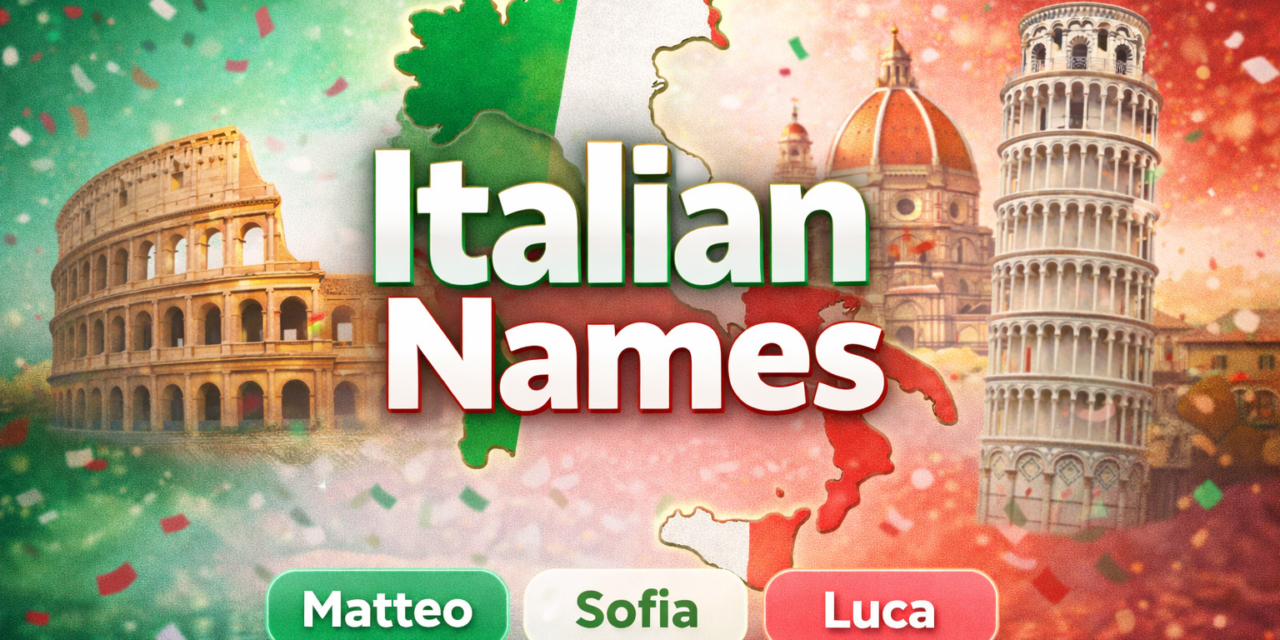
Italian names carry history, faith, family tradition, and regional identity in a way few naming systems do. When you explore Italian names, you discover a culture shaped by ancient Rome, Catholic devotion, and centuries of local customs. You also see how meaning, sound, and symbolism influence naming choices across generations.
This guide helps you understand how Italian names work, why they matter, and how they continue to evolve today. You will learn about origins, gender patterns, regional styles, and modern trends so you can confidently understand or choose an authentic Italian name. Every section is written to give you clarity, depth, and practical insight.
The Cultural Foundations of Italian Names
Italian names are deeply rooted in history, religion, and family tradition, and you see this influence in almost every common name. You often encounter names derived from Latin, early Christianity, and ancient Roman society, which gives Italian naming a strong historical backbone. This cultural depth means Italian names are rarely random and usually carry a story or legacy.
Family tradition plays a powerful role in how Italian names are chosen across generations. You often see children named after grandparents or respected relatives, which strengthens family continuity and honor, and it is similar in spirit to naming after grandparents. This practice keeps traditional names alive and reinforces emotional connections within families.
Religion also shapes Italian naming customs in a very visible way. Many Italian names come from Catholic saints, biblical figures, or religious virtues. This influence reflects the long-standing role of faith in daily life throughout Italy.
Structure and Format of Italian Names
Italian names usually follow a simple and clear structure that makes them easy to understand. You typically see a given name followed by a family name, with middle names being less common than in some other cultures. This straightforward format reflects Italy’s preference for clarity and tradition.
Given names are chosen carefully and often carry strong cultural or emotional meaning. You will notice that Italian names tend to be expressive, melodic, and easy to pronounce, which is why many readers also enjoy browsing names for people when exploring naming styles. This musical quality is one reason Italian names are admired worldwide.
Family names are inherited and do not change based on gender. You keep the same surname regardless of whether you are male or female. This consistency helps preserve family identity across generations and simplifies lineage tracking.
Gender Patterns in Italian Names
Italian names follow clear gender rules that make them easy to identify. Most masculine names end in the letter o, while most feminine names end in the letter a. These endings help you immediately recognize the gender of a name.
You often see feminine names created as direct counterparts of masculine ones. For example, a masculine name may be adapted into a feminine form by changing the ending. This pattern reinforces grammatical and cultural consistency.
There are some exceptions, but they are limited and well understood within Italian culture. Names ending in e can be masculine or feminine depending on tradition. These rules make Italian names predictable and linguistically structured.
Religious Influence on Italian Naming Traditions
Religion has played a central role in shaping Italian names for centuries. Many traditional names come directly from saints, apostles, and biblical figures. This practice reflects the importance of Catholicism in Italian history and family life.
You often see children named after saints associated with their birth date. This tradition is believed to offer spiritual protection and guidance throughout life. It also strengthens the connection between personal identity and faith.
Religious names remain popular even in modern Italy. While naming trends evolve, saint-based names continue to be widely used. This continuity shows how deeply faith-based naming is woven into Italian culture.
Regional Variations in Italian Names
Italian names can vary significantly depending on the region. Northern, central, and southern areas each have distinct naming preferences shaped by local history. You can often identify regional origins just by hearing a name.
Some names are strongly associated with specific cities or regions. These local names often honor regional saints or historical figures. This practice reinforces local pride and cultural identity.
Migration within Italy has softened some regional differences over time. However, many families still preserve regional naming traditions. This balance between mobility and heritage keeps Italian names diverse and meaningful.
Popular Traditional Italian Names
Traditional Italian names have remained popular because of their timeless appeal. Names like Giovanni, Giuseppe, Maria, and Anna have been used for centuries without losing relevance. You often see these names passed down through generations.
These names usually carry strong religious or historical significance. They are associated with saints, biblical figures, or important cultural icons. This depth makes them feel stable and trustworthy.
Traditional names also adapt well across cultures. You find that many Italian names are recognized and respected internationally. This global familiarity helps maintain their popularity over time.
Modern Trends in Italian Names
Modern Italian naming trends reflect changing lifestyles and global influence. Parents today often look for names that feel fresh but still respect tradition, and you see similar browsing behavior in collections of baby name ideas when people want quick inspiration. This balance shapes many contemporary naming choices.
You may notice an increase in shorter, softer-sounding names. These names are often easier to pronounce internationally while remaining authentically Italian. This trend reflects Italy’s growing global connections.
Despite modern influences, Italian parents still value meaning. Names are rarely chosen for sound alone. You continue to see careful consideration of symbolism, heritage, and cultural fit.
Meaning and Symbolism in Italian Names
Italian names are rich in meaning and symbolism, which plays a major role in name selection. Many names represent virtues such as strength, faith, beauty, or wisdom. This symbolic layer adds emotional depth to personal identity.
You often find meanings rooted in Latin or Greek origins. These ancient languages contribute to the timeless feel of Italian names. Understanding these roots helps you appreciate the name’s full significance.
Symbolism also helps guide parents when choosing names. You may select a name that reflects hopes or values for a child’s future. This intentional approach makes Italian naming deeply personal.
How to Choose an Authentic Italian Name
Choosing an authentic Italian name requires attention to culture, meaning, and structure. You should consider traditional gender endings to maintain linguistic accuracy. This ensures the name feels natural and culturally correct.
You also benefit from understanding the name’s origin and meaning. A well-chosen Italian name tells a story and reflects thoughtful intent. This depth makes the name more meaningful over time.
Finally, you should think about pronunciation and global usability. Many Italian names travel well across languages. This balance between authenticity and accessibility makes Italian names especially appealing.
Timeless Appeal of Italian Names
Italian names also work beautifully when you want a name that feels classic without sounding outdated. You get a balance of tradition and style because many Italian names have been used for centuries while still fitting modern life. This timeless quality makes them a strong choice for families who care about heritage and global appeal.
Sound, Rhythm, and Elegance
When you look closer, you notice how Italian names often carry a strong rhythm and natural elegance. Vowel-heavy endings and smooth consonant patterns make many names easy to say and pleasant to hear. This is why Italian names frequently feel memorable even when you hear them only once.
Identifying Truly Authentic Italian Names
You can also use Italian naming traditions to make smarter choices when you want authenticity. A name might look Italian at first glance, but true Italian names usually follow specific spelling patterns and cultural roots. If you check gender endings, origin, and real usage, you avoid picking a name that only sounds Italian but is not actually used in Italy.
Meaningful Symbolism Behind Italian Names
Italian names often connect you to a deeper story through meaning, symbolism, or religious heritage. Many names reflect virtues like strength, courage, or grace, which adds purpose behind the choice. This is especially helpful when you want a name that feels personal and meaningful rather than trendy and temporary.
Pairing Italian Names With Surnames
If you are choosing an Italian name for a child, you should also think about how it pairs with a surname. Italian given names often sound best when the syllables flow naturally from first name to last name. You can test this by saying the full name out loud several times and checking whether the rhythm feels smooth and natural.
Nicknames and Everyday Use
You also benefit from considering whether the name has common nicknames or shortened forms. Some Italian names have warm diminutives used in everyday family life, which can make the name feel more flexible. This gives you the best of both worlds because you can keep a formal name for documents while using a softer short form at home.
Global Usability of Italian Names
Italian names are also a strong option if you want a name that travels well across cultures. Many popular Italian names are recognized internationally, so people can pronounce them without constant correction.
This makes them ideal when your family lives abroad, works globally, or simply wants a name that fits multiple languages.
Italian Names as Cultural Identity
Finally, you should remember that Italian names are not just labels, but cultural symbols shaped by family, history, and identity. When you choose or study Italian names with respect, you connect with centuries of tradition in a practical and meaningful way. This approach helps you appreciate the beauty of Italian naming while making choices that feel authentic, accurate, and lasting.
Conclusion
Italian names reflect a blend of history, faith, family, and regional identity that continues to shape naming traditions today. When you understand how Italian names work, you gain insight into cultural values that prioritize meaning and continuity. These names are not chosen casually, and each one carries a story rooted in centuries of tradition.
By learning about structure, gender patterns, symbolism, and modern trends, you can better appreciate their depth and relevance. Whether you are researching heritage or choosing a name, Italian names offer timeless elegance and cultural richness. This understanding helps you make informed, respectful, and meaningful choices.