
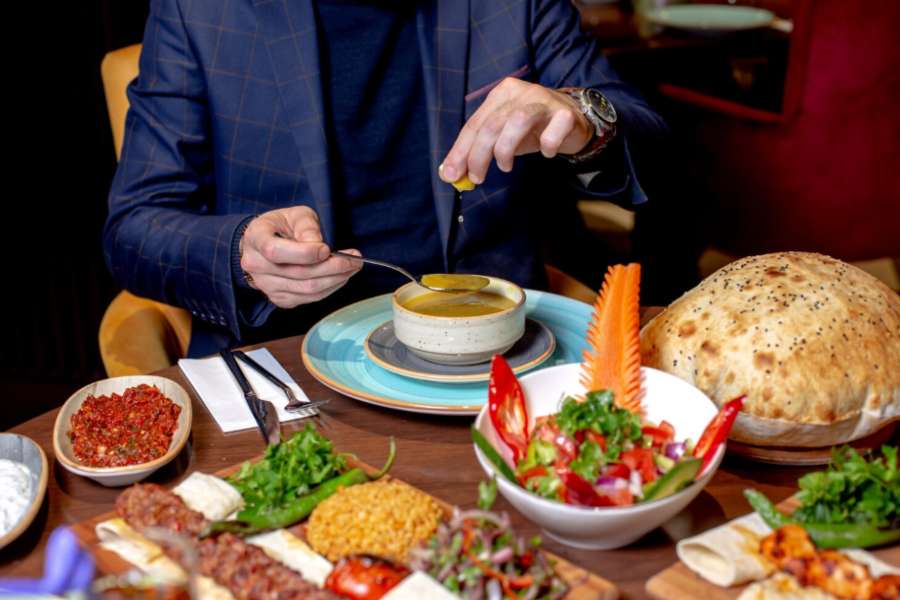
There’s eating out-and then there’s the kind of place where dinner feels like a small escape, where the room tells a story before the menu even lands on the table. Themed restaurants live in that space. They don’t just feed you. They transport you.
Right now, that sense of escapism matters more than ever. After years of disrupted routines and screen-heavy living, people want experiences they can feel. Restaurants have responded in kind. Themes aren’t gimmicks anymore. They’re frameworks. They shape mood, guide menus, and set expectations from the first step inside.
Interestingly, historians often point out that themed dining isn’t new. Medieval taverns leaned into heraldry. Victorian dining rooms borrowed from colonial fantasies. Even the American diner is a theme-optimism, chrome, speed. What’s changed is intention. Today’s best themed restaurants know exactly what world they’re building, and they commit to it fully.
So where should you go if you want more than just a good meal? Let’s start somewhere classic.
A Pub Steeped in Story: The Mitre, Richmond
Some themes don’t need explaining. They’re inherited.
The Mitre pub in Richmond sits right by the Thames, and its theme is history-real, lived, unapologetic history. This isn’t a pub pretending to be old. It is old. The building dates back centuries, and you feel it the moment you walk in.
Low ceilings. Dark wood. Windows that frame the river like a painting. The room doesn’t shout for attention. It doesn’t have to. Everything here feels anchored.
Notably, The Mitre has long been associated with royalty and riverside life. Locals love telling stories about Henry VIII drinking here, whether or not every detail holds up. That storytelling is part of the theme. It turns a pint into a narrative.
A made-up but plausible moment: a couple visiting from out of town sits by the window at dusk. Boats slide past. The fire crackles. Someone at the bar starts explaining the building’s past. Suddenly, dinner feels cinematic.
The food matches the setting. Classic British pub fare. Comforting. Familiar. Nothing that breaks the spell. A themed restaurant doesn’t need costumes when the walls already know the lines.
A key takeaway is this: the strongest themes often come from authenticity. The Mitre doesn’t decorate history. It lets history speak.
What Makes a Theme Work (and What Breaks It)
Not all themes land. Some feel forced. Others age badly. The difference usually comes down to restraint.
A strong theme does three things well:
- It informs the design.
- It guides the menu.
- It shapes how people behave in the space.
Weak themes rely on surface-level cues. Props without purpose. Décor without logic.
As one well-known restaurateur once said in an interview, “Theme isn’t about costumes-it’s about consistency.” When every detail aligns, guests relax into the experience.
That’s why some of the most successful themed restaurants feel effortless. You don’t notice the theme immediately. You feel it.
Around the World: Themes That Take You Places
Globally, themed restaurants reflect local culture just as much as fantasy.
In Tokyo, retro cafés recreate the Showa era with vinyl booths and nostalgic menus. In New York, Prohibition-style speakeasies hide behind unmarked doors, offering low lighting and jazz-inflected menus. In Paris, Belle Époque brasseries lean into mirrors, brass, and old-world glamour.
These themes work because they connect to something real-history, memory, identity.
Interestingly, theme-heavy dining often spikes during uncertain times. People crave structure. Familiar stories. Worlds that make sense. Restaurants step in to provide that comfort, one plate at a time.
A Modern Take on Regional Identity: Cilantro, Putney
Halfway through our journey, the theme shifts from history to place.
Cilantro in Putney isn’t about spectacle. It’s about cultural clarity. The restaurant draws heavily from regional Indian traditions, and it does so with confidence rather than excess.
The interior feels warm and intentional. Colours are earthy. Textures matter. Nothing feels random. The theme isn’t shouted through murals or slogans. It’s embedded in choices.
Lighting stays soft. Seating encourages conversation. Music hums in the background without dominating the room. You’re not being told where you are. You understand it instinctively.
A diner once described Cilantro as “the kind of place where the food explains itself.” That line sticks because it’s true. The theme lives in the menu structure, the pacing of the meal, and the way dishes arrive to be shared.
Notably, Cilantro’s approach reflects a broader shift in themed dining. Guests want depth, not decoration. They want context, not caricature.
This kind of theming rewards attention. Stay a little longer. Ask a question. Try something unfamiliar. The experience unfolds slowly-and that’s the point.
Immersion Without Overwhelm
One of the biggest mistakes themed restaurants make is doing too much.
Too many visual cues compete. Too many ideas fight for space. The room becomes noisy, even when it’s quiet.
The best themed restaurants understand editing. They know what not to include.
Designers often talk about negative space as a tool. So do chefs. A pause between flavours. A blank wall next to a statement piece. Silence between songs.
A key takeaway is that immersion doesn’t require overload. Sometimes one strong idea, executed well, is enough.
When Theme Meets Personality
Some themes revolve around eras or cuisines. Others revolve around attitude.
In Berlin, industrial spaces double down on rawness-exposed pipes, concrete floors, communal tables. In Los Angeles, retro futurism mixes neon with nostalgia. In London, brasseries reinterpret European café culture with a local edge.
These restaurants don’t just tell stories. They express character.
And character sticks.
Bold, Playful, and Unapologetic: Haylaz Brasserie, London
At the bottom of our list-but not in ambition-sits Haylaz Brasserie in London.
Its theme blends Mediterranean warmth with contemporary swagger.
Lighting leans dramatic. Colours pop. Tables invite long evenings rather than quick bites. Everything suggests movement. Laughter. A night that might not end when planned.
A made-up but believable scene: a birthday dinner turns into a spontaneous celebration. Music creeps up. Staff lean into the moment. The room responds. That’s not an accident. It’s design.
Haylaz’s theme works because it understands its audience. It’s not trying to be everything to everyone. It’s offering a mood-and inviting guests to match it.
Interestingly, restaurants like Haylaz reflect a broader cultural moment. Dining out has become social theatre. People want spaces that encourage interaction, not just consumption.
Here, the theme isn’t a backdrop. It’s a catalyst.
Why Themed Restaurants Keep Winning
Themed restaurants succeed because they answer a simple question: Why should I go there instead of anywhere else?
Food quality matters. Service matters. But theme gives context. It creates memory. It turns a meal into a story worth retelling.
As one food writer once put it, “People don’t remember dishes. They remember nights.” Themed restaurants understand that difference.
They design for emotion. For atmosphere. For moments that linger.
Final Thoughts: Choosing the Right Escape
Not every themed restaurant will be for you. And that’s fine. The point isn’t universality. It’s specificity.
Whether it’s the riverside history of The Mitre, the cultural depth of Cilantro, or the vibrant energy of Haylaz Brasserie, the best themed restaurants know who they are. They commit. They invite you in-and they don’t apologise for the world they’ve built.
So next time you’re choosing where to eat, ask a different question.
Not just what do I want to eat?
But where do I want to be for a few hours?
The answer might surprise you.