If you went through braces in the 80s, or even just watched your siblings or schoolmates do it, you probably remember the look. Shiny metal brackets, thick wires, and sometimes even external headgear that wrapped around the back of the neck. The whole process felt like a long-term commitment to discomfort. Appointments ran long, adjustments were rough, and treatment could take years.
For many people, that memory still defines what they think orthodontics involves. But while few noticed it happening, the technology behind teeth straightening changed dramatically. Orthodontic treatment today is faster, quieter, and far more personalised than anything most people remember.
Digital precision has replaced guesswork
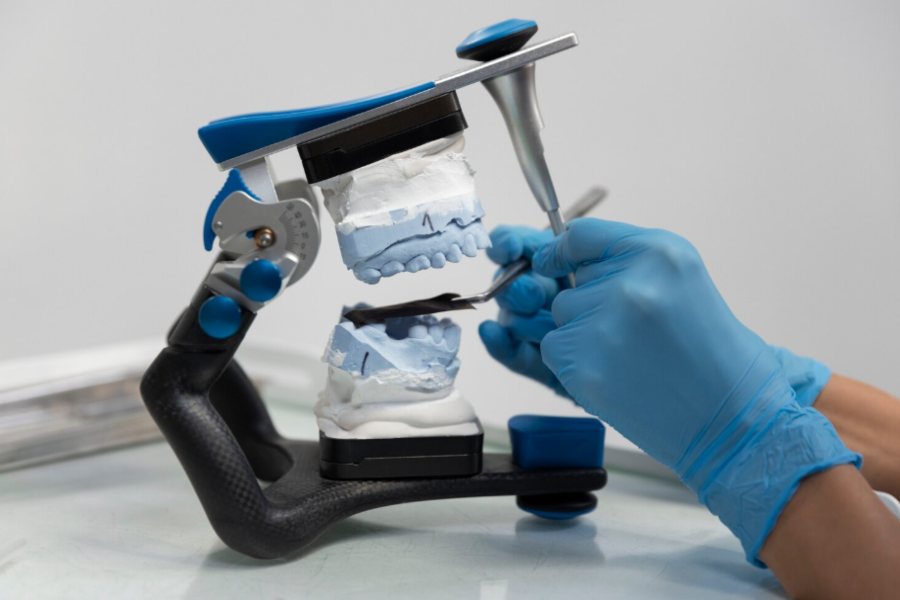
One of the most significant changes in the past decade is the move away from physical impressions and manual planning. In earlier decades, orthodontists relied on plaster moulds and visual estimation. They worked with what they had, but it left plenty of room for minor errors and drawn-out corrections.
Now, 3D scanning is standard in most modern clinics. Instead of biting down on cold trays of putty, patients can have their mouths digitally mapped in minutes. The scan is more accurate and much more comfortable. It also becomes the foundation for the entire treatment plan.
From there, orthodontists can simulate how each tooth will move over time. This makes it easier to plan shorter, more efficient treatments. It also reduces the number of physical adjustments needed later. With this kind of digital planning, patients get a clearer picture of what to expect from the start.
Less visibility, more flexibility
The look and feel of braces have also changed. Many adults remember the obvious metalwork and visible wires of earlier years. That association is still strong, especially among people who never had treatment themselves and assume not much has changed.
In reality, modern options now offer a completely different experience. One of the most popular developments is invisible braces, which use clear, removable aligners instead of brackets and wires. These are especially common among adults and teens who want to straighten their teeth without drawing attention to them.
The aligners are custom-made to fit snugly over your teeth. You can remove them for eating, brushing, or important events. They don’t rely on wire tension and generally feel more comfortable over extended wear. For many patients, this approach makes it easier to stay consistent and committed throughout treatment.
Faster results with more innovative planning
In the past, braces often meant a timeline of two or more years. Much of that time was spent adjusting wires, checking for unwanted shifts, and waiting for the teeth to respond to new pressure. While the results came eventually, the path to get there could feel endless.
What’s changed is not just the speed of movement but the accuracy of each stage. With digital modelling, orthodontists can map the exact sequence of movements before treatment even begins. The materials used in both aligners and wires have also improved. They apply steady, controlled pressure and are less prone to causing inflammation or discomfort.
Some cases that would have taken 24 months now finish in under 12. Of course, it depends on the complexity of the case, but the planning and technology now allow for far more efficient treatment across the board.
Patient experience is now a priority
One of the most significant improvements in orthodontics is how much easier the process has become for patients. In the 80s, people accepted that braces would be inconvenient. There were dietary restrictions, tricky cleaning routines, and often considerable discomfort during and after appointments.
That experience has changed almost completely. Scans are quicker. Appointments are shorter. Some clinics even offer remote monitoring, so you don’t need to come in for every small check-up. Aligners can be removed for cleaning, and modern fixed braces are smaller and smoother, which makes them easier to manage day-to-day.
Even the language around treatment has shifted. It’s no longer just about correcting bite issues. Patients often seek care for cosmetic reasons or to improve long-term oral health. Clinics now offer treatment plans that fit with work schedules, family commitments, and lifestyle needs. The process is far more collaborative than it used to be.
What hasn’t changed: the need for professional support
Despite all the advances in technology, professional guidance still matters. Planning software and smart aligners have made the process more predictable, but they don’t replace clinical experience. Every mouth is different, and minor issues with jaw alignment or bite function can easily be missed without a complete assessment.
There’s also been a rise in at-home aligner kits that promise fast, affordable results without clinic visits. While some people see minor improvements from these, others encounter long-term problems due to unsupervised movement. Teeth can shift in unexpected ways, and there’s always a risk of damaging the roots or creating new bite problems.
Technology supports the process, but it doesn’t replace expert care. The best outcomes still come from working with someone who understands the bigger picture.
A new era for confident smiles
Braces in the 80s were loud, slow, and uncomfortable. They worked, but they came with plenty of frustration. Today’s orthodontic treatment is almost unrecognisable by comparison. It’s more precise, more comfortable, and much easier to fit into everyday life.
The changes didn’t arrive all at once. They came in quiet upgrades, one innovation at a time. But together, they’ve transformed what it means to straighten your teeth.
If you’ve been putting it off because you think the process is still the same, it might be time to take another look. What felt like a massive inconvenience in the past is now just part of a routine health decision—and one that’s far easier to manage than you’d expect.